
Back and Spine
Step into a new era of healing at Infinity Stem Cells, where cutting-edge science meets the body’s innate potential. Our advanced cell regeneration therapies, centered on mesenchymal stem cells (MSCs), harness the transformative power of cellular renewal to address a wide range of conditions, restoring vitality and igniting wellness from within.
|
|
|
|
|
|
|
|
Biologic Therapy for Back and Spine Disorders
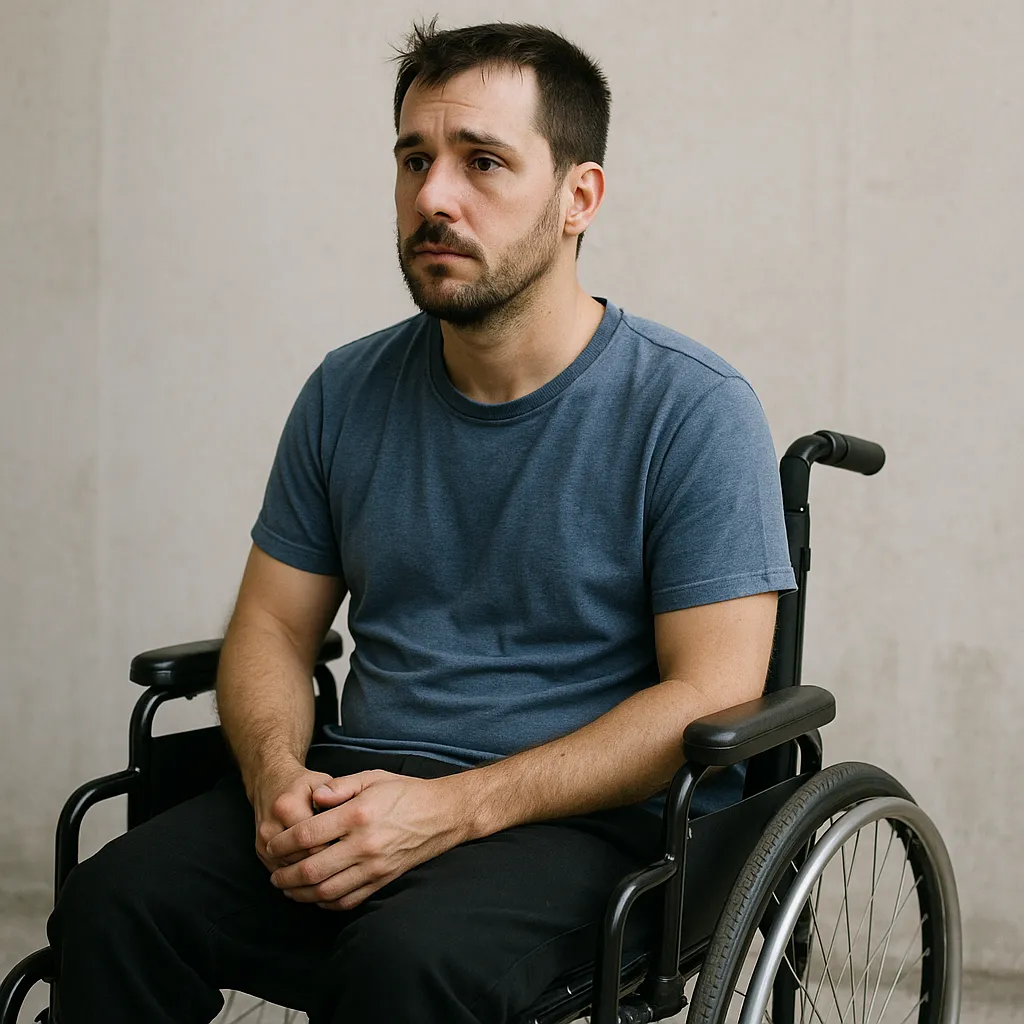
It offers a minimally invasive solution that harnesses regenerative medicine to reduce inflammation, support tissue healing, and relieve pain. This approach targets specific areas such as facet joints, intervertebral discs, and paraspinal muscles, and is suited for patients with chronic spinal discomfort, disc degeneration, or soft tissue-related pain.
Clinical Note: Because of the spine’s complex and sensitive anatomy, spinal injections must be performed by experienced professionals using real-time imaging (fluoroscopy or ultrasound). Risks such as nerve irritation or infection must be carefully managed.
Step 1
Ideal Candidates
Best suited for patients who have:
Individuals with chronic back pain or mild to moderate disc degeneration
Patients experiencing facet joint syndrome, sciatica, or nerve irritation
Those seeking non-surgical alternatives or trying to reduce dependence on medications
Contraindications:
Active or recent spinal infections
Patients with spinal deformities needing surgical correction
Individuals with uncontrolled chronic conditions (e.g., diabetes, autoimmune disorders)
Step 2
Preparing for the Procedure
Clinic Setup:
Use a fully sterile workspace with disinfected instruments
Confirm all biologic materials are valid and stored per guidelines
Required Equipment:
Biologic product (e.g., exosomes, PRP, stem cells)
Sterile syringes (3–5 mL)
Ultrasound or fluoroscopy for imaging
Skin prep solution (chlorhexidine or alcohol)
Local anesthetics (e.g., lidocaine)
Patient Preparation:
Obtain informed consent (explain benefits, risks, recovery expectations)
Administer local anesthesia and allow 5–15 minutes for effect
Thoroughly cleanse the lower back area before injection
Step 3
Injection Techniques
Target Areas & Depth:
Site
Target
Depth
Forehead & Eyes
Cheeks & Jawline
Under-Eye Area
Full Face
Wrinkles, crow’s feet
Volume loss, elasticity, hydration
Dark circles, fine lines
Texture, glow (via microneedling)
1–2 mm (superficial dermis)
2–4 mm (deep dermis)
1–1.5 mm (cautious use)
0.5–1.5 mm
Volume Guidelines:
Facet or muscle injections: 0.5–1 mL per site
Disc injections: 1–2 mL per disc (size and pathology dependent)
Injection Technique:
Use ultrasound or fluoroscopic guidance for precision
Inject slowly to minimize discomfort and ensure uniform dispersion
Apply light pressure to site after procedure
Step 4
Aftercare & Monitoring
Post-Treatment Instructions:
Avoid heavy lifting or intense activity for 24–48 hours
Expect mild soreness or swelling at the injection site
Use acetaminophen for pain relief (avoid NSAIDs to preserve healing)
No hot tubs or soaking baths for 48 hours
Recovery Monitoring:
Encourage patients to track changes in mobility, stiffness, or pain over the next week
Step 5
Safety Protocols
Immediate Monitoring:
Keep the patient in observation for 10–15 minutes after the injection
Watch for signs of nerve irritation, allergic reaction, or abnormal pain response
Emergency Preparedness:
Have epinephrine and antihistamines readily available
All team members should be trained in allergy and nerve response protocols
Infection Prevention:
Maintain strict sterile technique during all stages
Do not reuse syringes or open vials prematurely
Step 6
Ongoing Care
Short-Term Follow-Up:
Schedule a check-in at 4–6 weeks post-procedure
Assess:
Pain scale rating
Functional movement improvements
Any adverse effects
Long-Term Monitoring:
Continue evaluations every 2–3 months, depending on patient progress
If beneficial, schedule repeat sessions every 4–8 weeks
Adjust treatment based on evolving needs and recovery patterns
Step 7
Documentation & Tracking
Procedure Records Should Include:
Biologic type, volume, and lot number
Injection sites and technique used
Any immediate reactions or post-injection findings
Follow-up outcomes and need for further treatment
Tracking Results:
Patient feedback and outcomes
Progress over time
Any deviations or reactions
Summary
Biologic injections for back and spine conditions represent a promising alternative to traditional interventions. When delivered correctly, they help reduce chronic pain, improve mobility, and promote natural healing. Because the spine involves critical structures, clinicians should proceed with expert guidance, imaging support, and a patient-centered approach to care and safety.

Connect with Us


Quick Links
Contact Us
440 N. Wolf Road, Sunnyvale CA 94085
440 N Wolfe Road
Sunnyvale, CA 95084
Phone (XXX) XXX XXX
Copyright© 2026 Scientific Infinity - All Rights Reserved.